There's a moment in 2023 that food scientists found deeply ironic. The United Nations Food and Agriculture Organisation published a report calling finger millet (ragi) one of the most nutritionally complete grains in the world — superior to wheat, rice, and even quinoa on several key metrics.
The report was celebrated across global nutrition circles as a revolutionary discovery.
In Tamil Nadu, grandmothers looked up from their grinding stones and said, "We know."
Ragi Koozh — fermented finger millet porridge-drink — has been documented in Sangam-era Tamil poetry from over 2,000 years ago. It was the drink of warriors, farmers, mothers nursing infants, and elders managing their health without pharmaceuticals. The "discovery" of ragi as a superfood is science catching up with Tamil culinary wisdom that never needed validation to begin with.
ராகி கூழ் — தமிழர்களின் 3,000 ஆண்டு பாரம்பரிய ஆரோக்கிய பானம் (Ragi Koozh — Tamil Nadu's 3,000-year traditional health drink)What Makes Ragi Koozh Different from Just Eating Ragi
Ragi flour exists in every supermarket in India now. Ragi biscuits, ragi noodles, ragi energy bars — the commercialization of ragi is well underway. But none of these products replicate what happens when you ferment finger millet the traditional way and drink it as Ragi Koozh.
The fermentation changes everything. Overnight fermentation of ragi does three things that commercial processing destroys:
- Creates Lactobacillus probiotic colonies — live gut-supporting bacteria that survive the digestive journey and colonise the intestinal microbiome
- Reduces phytic acid — the anti-nutrient in raw grains that blocks calcium, iron, and zinc absorption. Fermented ragi delivers far more bioavailable nutrition than unfermented
- Pre-digests the starches — making the glucose release even slower and more sustained, further reducing the glycemic load
Finger millet contains 344mg of calcium per 100g. That's more calcium per calorie than milk. For a population where dairy intolerance is common, traditional Ragi Koozh is India's most effective and accessible calcium delivery system — and has been for millennia.
The Story of One Grandmother and Her Granddaughter
Our founder grew up in Nagercoil watching her grandmother make Ragi Koozh every morning before sunrise. The process was meditative: the soaked millet ground on the stone, the slight sour smell of overnight fermentation, the slow cooking over low flame, the mixing with fresh buttermilk and a pinch of rock salt.
"It tasted like nothing else in the world," she remembers. "Slightly sour, cooling, dense but easy to drink. By 8 AM you felt like you could handle anything."
When she moved to Chennai for work, that morning Ragi Koozh disappeared. Replaced by packaged bread, instant oats, commercial energy drinks. The 3 PM energy crashes started. The seasonal illnesses became more frequent. The bone density scan at 28 showed early-stage calcium deficiency.
Her doctor recommended calcium supplements. Her grandmother recommended coming home for Ragi Koozh.
The grandmother turned out to be right — not by luck, but by accumulated wisdom.
What Happens to Your Body Over 30 Days of Regular Ragi Koozh
Nutritional research on traditional millet fermented beverages suggests a consistent pattern of benefits over regular consumption:
regularity noticed
energy improvement
fatigue reported
microbiome shifts
Why the Traditional Nagercoil Recipe Matters
Not all Ragi Koozh is equal. Commercial ragi products are heat-processed, killing the probiotic colonies that fermentation creates. Quick-prep ragi porridges skip the overnight fermentation entirely. Even most home preparations today skip the stone grinding that creates the right particle size for optimal fermentation.
At Irattai Panai Nizhal, we follow the traditional Nagercoil method precisely. This isn't marketing language — it's a functional commitment. The probiotics in our Ragi Koozh are alive because the fermentation is real. The calcium bioavailability is high because the phytic acid is reduced through proper fermentation. The low glycemic response is preserved because we don't add refined sugar.
We sweeten only with pure karupatti — which itself has a GI of 40–55 and adds minerals that further support the nutritional profile.
"I have patients who have been on calcium supplements for years with minimal absorption improvement. When I ask them about traditional dietary practices, Ragi Koozh comes up repeatedly as something their grandparents used to make. There is genuine science supporting why traditional fermented millet drinks outperform many modern supplements for calcium bioavailability." — Nutritionist, Chennai
How to Drink Ragi Koozh for Maximum Benefit
Timing and pairing matter for traditional beverages. Here's what the traditional wisdom — now supported by nutritional science — recommends:
- Best time: Morning (7–9 AM) as breakfast, or early afternoon (12:30–1:30 PM) as a lunch accompaniment
- Best pairing: With a small amount of fresh onion and green chilli (as traditionally served in Nagercoil) — the quercetin in onion enhances iron absorption from the millet
- What to avoid pairing with: Tea or coffee immediately after — the tannins can reduce iron and calcium absorption from the ragi
- Ideal frequency: Daily, or minimum 4 times per week for measurable benefit
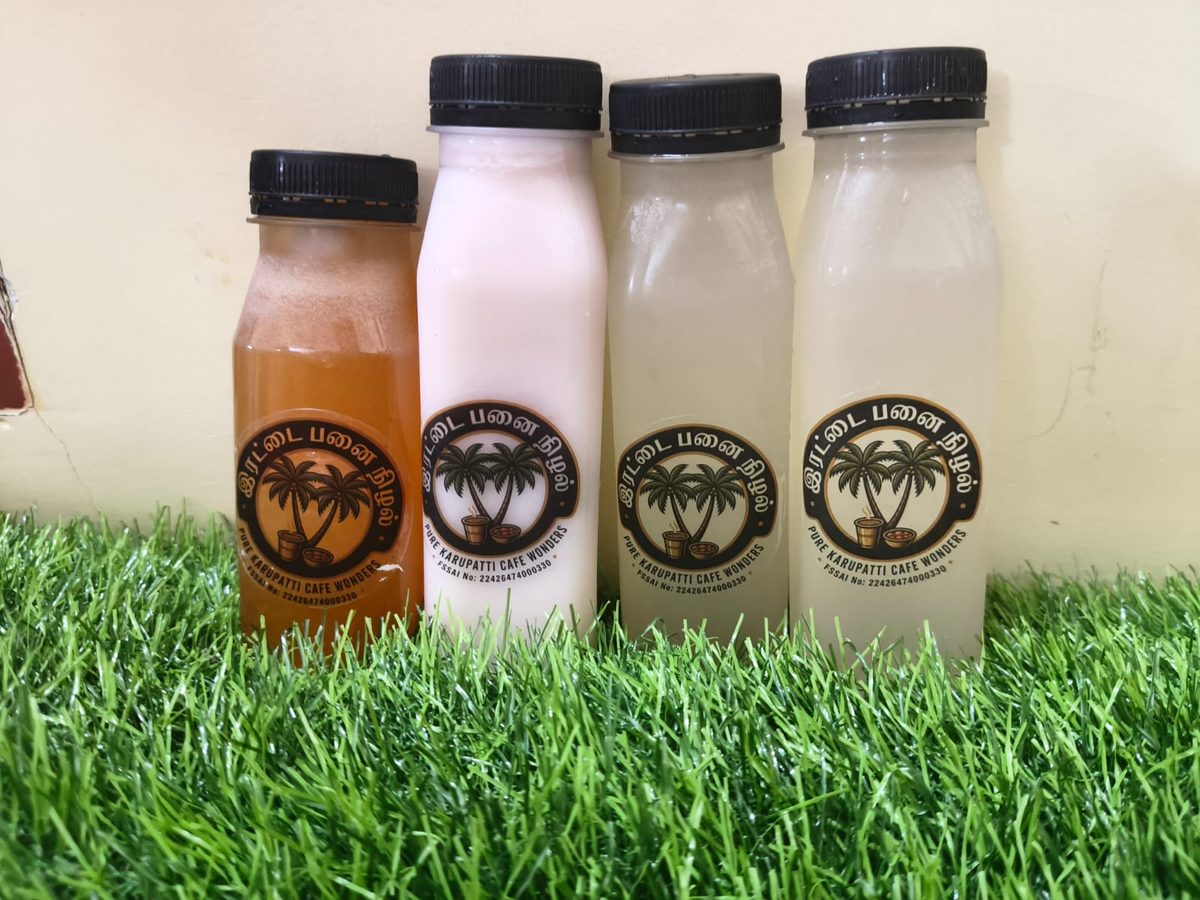
Ragi Koozh — Traditional Nagercoil Recipe
Prepared fresh daily using traditional fermentation. Pure karupatti. Zero refined sugar. Available for WhatsApp order and Zomato delivery across Chennai.
Order Ragi Koozh →The United Nations may have discovered ragi in 2023. But if you want to drink it the way it was meant to be made — fermented properly, sweetened with karupatti, prepared fresh that morning — the tradition has been alive in Nagercoil's kitchens without interruption.
And now, without requiring a 7-hour journey to Kanyakumari, you can order it in Chennai. Fresh. Authentic. Exactly as your great-grandmother would have made it.