This story begins with a blood test result.
My fasting blood sugar came back at 108 mg/dL — technically "pre-diabetic range" at 31 years old. My doctor said it was "borderline, watch your sugar intake." I said yes and then went home and had a packaged mango drink because I was stressed.
I'm telling you this because I want you to know I wasn't a health enthusiast who did this as an experiment for a blog. I was someone who had a genuine health reason to change, and a deep reluctance to do it.
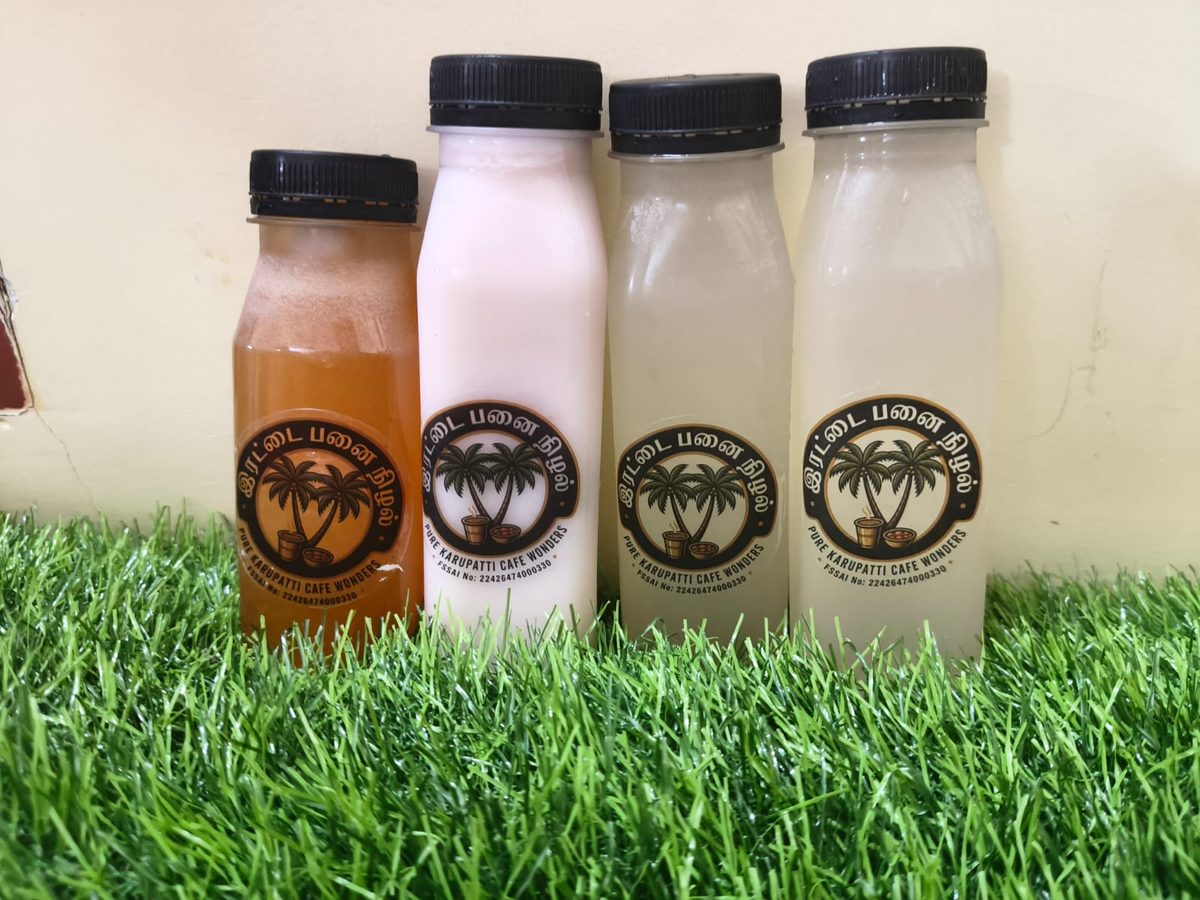
The plan was simple: for 30 days, replace every beverage containing refined sugar with a traditional Tamil drink. No commercial juices. No packaged energy drinks. No sugar in tea or coffee. Only karupatti, jaggery, or natural fruit for sweetness. The traditional drinks would come from Irattai Panai Nizhal, who I found after spending two weeks trying to make Ragi Koozh myself and failing spectacularly.
Days 1–3: The Unexpected Withdrawal
I did not expect to feel withdrawal from sugar. I knew intellectually that sugar is addictive — that it triggers dopamine release in the brain's reward centres in ways similar to other addictive substances. But knowing this intellectually and experiencing it are different things.
By Day 2, I had a headache. By Day 3, I was irritable in ways I couldn't fully explain to my family. I wasn't craving sugar the way you crave a specific food — I was craving the feeling that sugar produces. The quick hit of pleasantness that follows a sweetened drink.
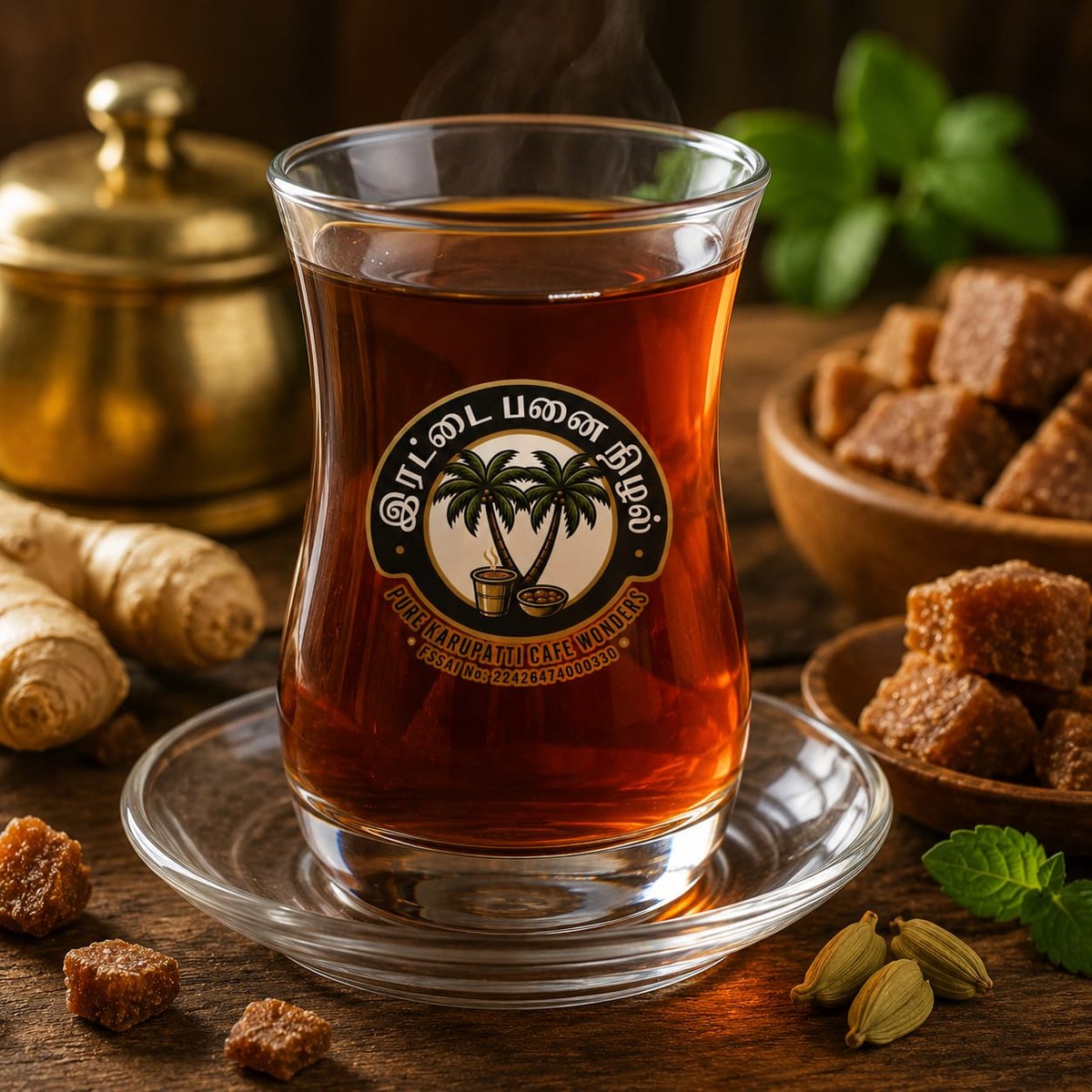
My Day 3 Karupatti Coffee from Irattai Panai Nizhal helped in an unexpected way. It's sweet — but it's a different kind of sweet. Earthier. Less aggressive. It satisfied the sweet-receptor need without triggering the spike-and-crash cycle that I was, apparently, physiologically dependent on.
கருப்பட்டி இனிப்பு வேறு — சர்க்கரை இனிப்பு வேறு. ஒன்று உதவுகிறது, மற்றொன்று சேதப்படுத்துகிறது (Palm jaggery sweetness is different from sugar sweetness. One helps, the other harms)Days 4–7: Finding the Rhythm
The withdrawal headache faded on Day 4. What replaced it was something I hadn't expected: genuine boredom with commercial drinks. I had one sip of a friend's packaged fruit juice on Day 5 and genuinely didn't enjoy it. It tasted flat and aggressively sweet — like the sweetness wasn't serving any purpose beyond itself.
My morning Ragi Koozh at 7 AM had become genuinely enjoyable. The slight sourness of fermentation, the earthy creaminess, the way it made me feel full and focused rather than wired and jittery. I wasn't having it because I had to. I was having it because I actually wanted it.
Week 1 insight: The first few days were about breaking dependency. By Day 7, they became about discovering preference. I was beginning to prefer these drinks — not out of discipline, but because they made me feel better.
Days 8–14: When My Colleagues Noticed
Two colleagues asked me during Week 2 if I had "done something different." My skin, they said, looked clearer. I hadn't changed my skincare routine. I hadn't changed my sleep schedule. The only variable was the beverages.
Later research helped me understand why: refined sugar promotes glycation — a process where sugar molecules attach to protein fibres including collagen and elastin, damaging skin structure over time. Two weeks of eliminating that load apparently made a visible difference. I wasn't expecting this. It was a pleasant surprise.
I also noticed my afternoon hunger had changed. Previously, I would be ravenous by 3 PM regardless of lunch. Now, the Nannari Sarbath I was having at 11 AM and the Panakam at lunch seemed to be genuinely sustaining me. The afternoon snack cravings dropped dramatically.
Days 15–21: The Difficult Middle
Week 3 was when it got genuinely hard — not because of physical withdrawal, but social pressure. A birthday celebration at the office. A family function where every drink offered had refined sugar. A restaurant where the only non-sugar option was plain water.
I made exceptions. I'm not going to pretend I didn't. But the exceptions became smaller — a few sips instead of a full glass, because I genuinely didn't want more. My taste receptors had recalibrated. Things that previously tasted normal now tasted aggressively sweet in a way I found unpleasant.
noticed
(unintentional)
crashes in Week 3
skin clarity
Days 22–30: The New Normal
By Week 4, the experiment had stopped feeling like an experiment. My morning Ragi Koozh and Karupatti Coffee weren't replacements for something I was missing. They were the things themselves — the first things I thought about wanting in the morning.
The blood test at Day 30 showed fasting blood sugar at 94 mg/dL. From 108 to 94 in 30 days — moved from pre-diabetic range to healthy range — from a single dietary change: replacing refined-sugar beverages with traditional Tamil alternatives.
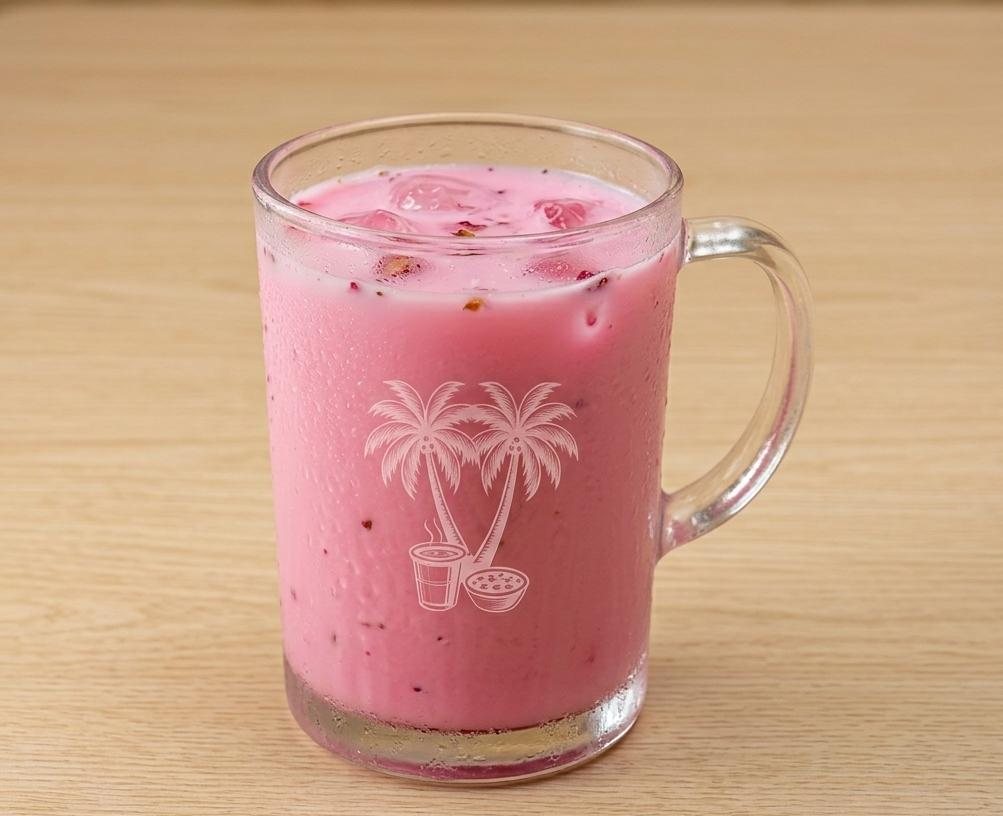
I'm writing this at Day 45. I still order from Irattai Panai Nizhal almost daily. Not because I'm on a plan. But because the Rose Milk I'm drinking right now — made with pure karupatti, fresh milk, and rose water — tastes better than anything a commercial beverage company has ever put in front of me.
7 AM: Ragi Koozh with buttermilk · 10:30 AM: Nannari Sarbath (B1G1!) · 1 PM: Panakam with lunch · 3:30 PM: Karupatti Sukku Malli Coffee · 6 PM: Rose Milk or fresh watermelon juice · Water: Throughout the day as needed
I'm not telling you to do this for 30 days. I'm telling you to try it for 7 days. Order a week's worth of traditional beverages from Irattai Panai Nizhal. Replace your morning commercial drink with Ragi Koozh. Replace your afternoon vending machine coffee with Karupatti Coffee. Replace your evening packaged juice with Nannari Sarbath.
The first 3 days will be harder than you expect. Days 4–7 will show you something about your own taste preferences that will surprise you. And the rest, as they say, is tradition.