The startup employee benefits arms race is one of the more absurd features of modern tech culture.
Your competitor is offering a gym membership. So you add a gym membership plus a meditation app subscription. They add a snack bar. You add a full catered breakfast. They bring in a masseuse on Fridays. You install a foosball table, a coffee bar, and a wellness room with aromatherapy.
And then both of you wonder why your employees are still burning out.
Here's the uncomfortable insight from talking to founders and HR managers across Chennai's startup ecosystem: the wellness benefits that employees actually value are almost never the expensive ones. They're the ones that say we see you as a human being, not just a resource.
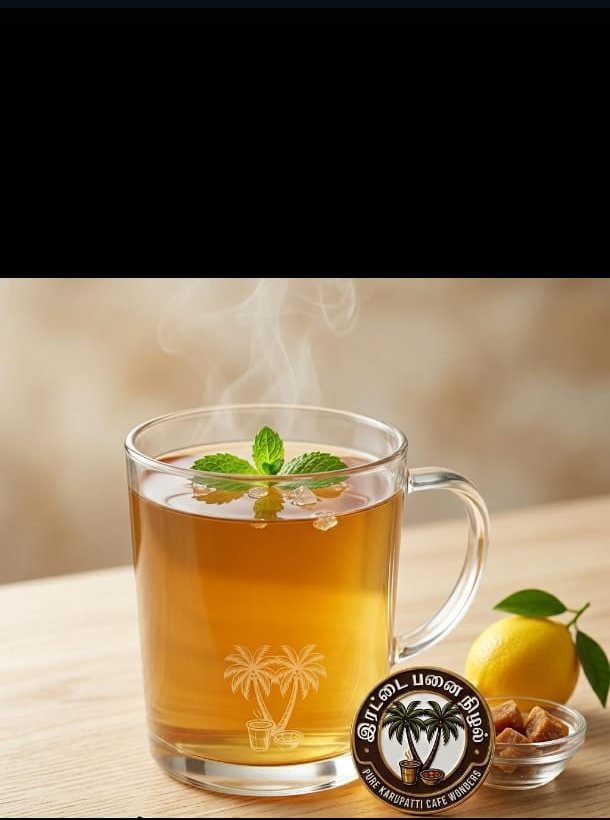
For Chennai startups with mixed-heritage teams — many of whom grew up in Tamil Nadu and moved to the city — that human recognition can come from something as simple and authentic as a cup of Karupatti Coffee in the morning.
உங்கள் ஊழியர்கள் உணர்கிறார்களா என்று கேளுங்கள் — பலன்கள் என்ன என்று அல்ல (Ask if your employees feel seen — not what benefits you offer)The Wellness Benefits Trap
Most startup wellness benefits are designed for discovery, not retention. The gym membership is great in January. By March, it's an unredeemed perk that appears on the offer letter. The imported snack box generates Instagram posts but not loyalty. The meditation app gets downloaded by 40% of employees and opened by 8%.
Traditional beverage catering is different. It is daily. It is shared. It is conversational. And for employees with roots in Tamil Nadu, it is familiar in a way that creates genuine emotional resonance.
What Chennai Startups Are Actually Doing
We spoke with founders and HR leads at three Chennai startups who have adopted traditional beverage catering as their primary wellness benefit:
Startup A — 28 Employees, Ambattur
A fintech startup that replaced their twice-weekly chai order from a local stall with Irattai Panai Nizhal's Starter Plan (₹15,000/month). Their most surprising outcome: team bonding. "The 10 AM beverage break became a standing non-meeting. People who never talked — frontend and backend, marketing and engineering — would gather around the karupatti coffee. We got sprint ideas from those conversations that we would never have gotten from a meeting."
Startup B — 65 Employees, OMR
An edtech company on the Growth Plan. "We pitched it to the team as a wellness initiative. But what employees talk about is the taste and the authenticity. Multiple people have told us it reminds them of their hometowns. In a startup that has hired from Madurai, Nagercoil, Coimbatore, Tirunelveli — that's a non-trivial emotional benefit."
Startup C — 12 Employees, T Nagar
Early-stage SaaS company. "We can't compete with MNC benefits packages. But we can offer something MNCs can't — a founder who cares enough to source authentic traditional beverages instead of ordering the cheapest instant coffee. It costs us ₹500 per day. It has a disproportionate impact on how the team feels about the office."
10-15 person team
rate in first month
score for benefit
in exit interviews (positive)
The Three Things Traditional Beverage Catering Does That Imported Snack Boxes Can't
1. Creates Daily Shared Ritual
There's a reason cultures across the world have a shared beverage ritual — tea in England, coffee in Italy, mate in Argentina. The act of pausing together to drink something is social infrastructure. Traditional beverage catering at a fixed time creates a recurring moment of collective pause that instant messaging and video calls cannot replicate.
2. Signals Cultural Intelligence
When a startup based in Chennai sources authentic Nagercoil traditional beverages instead of ordering corporate coffee from a chain, it makes a statement: we are rooted in this culture. We know where we come from. This signal is powerful for Tamil employees who often feel that startup culture implicitly values Western references over local ones.
3. Provides Genuine Wellness — Not Wellness Theatre
Imported mixed nuts and protein bars are wellness theatre — they look like they're healthy, the packaging says they're healthy, but the ingredient lists tell a different story. Karupatti Coffee, Ragi Koozh, and Nannari Sarbath are genuinely healthy — zero refined sugar, traditional herbs, fermented probiotics. The wellness is real, not performative.
"I've seen startups spend ₹3 lakh per year on a gym membership facility that 12% of employees use. I've seen the same startup spend ₹15,000 per month on traditional beverage catering that 94% of employees engage with daily. The math for which one builds culture is not complicated." — Startup HR Consultant, Chennai
How to Pitch This to Your Co-Founders
If you're an HR lead or a people-focused founder reading this, you may already be convinced. But you might be in a company where the CFO sees ₹15,000/month as an unnecessary cost when instant coffee sachets cost ₹2/packet.
Here's the three-sentence pitch: "Traditional beverage catering costs ₹500 per day for a 15-person team. It has a 94% daily adoption rate versus 40% for gym memberships. It generates cultural belonging and afternoon productivity that I can show you in the next quarterly survey."
And if they're still not convinced: "The first service is free. Let the team try it."
Starter Plan — Perfect for Small Teams
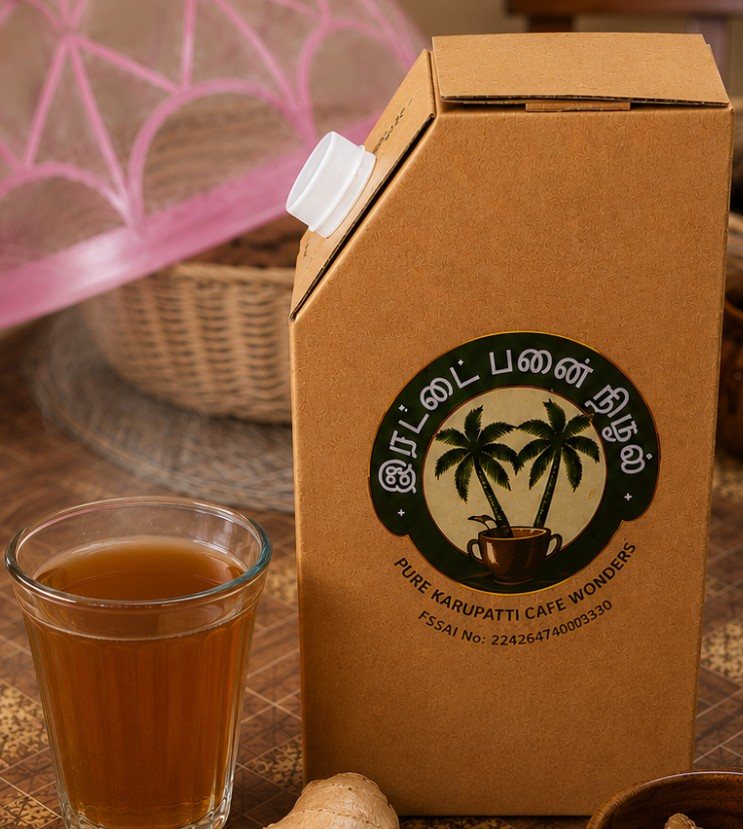
₹15,000/month for teams of 10–20 people. Weekly delivery of Karupatti Coffee, traditional teas, and authentic Nagercoil snacks. Free first service for new clients.
See All Plans →The wellness benefit your team will actually use. The cultural signal your Tamil employees will genuinely appreciate. The conversation starter your new hires will mention in their first week stories.
All from a daily cup of authentic karupatti.